

ייעוץ IT וטכנולוגיה
מתן פתרונות טכנולוגיים לשיפור יעילות העסק.
ניהול משברים
פיתוח תוכניות לניהול משברים ושמירה על יציבות העסק.
פיתוח ארגוני
שיפור מבנה ותהליכים ארגוניים להגברת היעילות והפרודוקטיביות.
ייעוץ תפעולי
פיתוח תהליכים ושיטות לשיפור היעילות התפעולית של העסק.
מדבקות לעסקים
אולי שמעת על מדבקות לעסקים בעבר, אבל אתה יודע איך לבחור אחד טוב? ניתן להניח מדבקות על מגוון דברים, ממחשבים ניידים ומפתחות ועד ספלי קפה ומכונות קפה. התזכורות הקטנות האלה יכולות להיות משמעותיות ללקוחות, והן יכולות להוסיף כשרון יצירתי נוסף לעסק שלך. בנוסף להיותו כלי שיווק יעיל, מדבקות הן דרך כיפית ליצור רושם עם לקוחות פוטנציאליים.
למה מדבקות טובות לעסקים?
שיווק באינטרנט הוא תחום צפוף. למעשה, האינטרנט כה רווי בפרסומות שאנשים מפתחים עיוורון פרסומות. למרבה המזל, מדבקות קידום מכירות יכולות לעזור לעסק שלך להתבלט. הפופולריות של מוצרים אלה הופכת אותם לבחירה מצוינת עבור חנויות מקוונות קיימות. הם יכולים להימכר ללקוחות מכל הסוגים ויכולים להיות מאוד יעילים בשיווק הנכון. הנה כמה סיבות לשקול לשלב מדבקות בקמפיין השיווק שלך.
קודם כל, מדבקות הן פריטי אספנות. הם מאוד מושכים לקוחות, ואתה יכול להיות עשרות וריאציות של אותו עיצוב. זה מבטיח מכירות. יתר על כן, מגוון גדול של מדבקות למכירה יגרום לחנות שלך להיראות יותר מקצועית ומושכת. יתרון נוסף של מדבקות הוא שהן יכולות לשמש כפריטים תקדימיים עונתיים. אתה יכול למכור מדבקות שמנציחות אירועים מיוחדים כמו גביע העולם, סופרבול, או ערב השנה החדשה.
כאשר שוקל עסק מדבקות, אתה צריך לשקול את עלות המשלוח. הרבה קונים באינטרנט מציבים משלוח חינם כעדיפות עליונה כאשר הם רוכשים פריט. עם זאת, חשוב לזכור שמשלוח הוא אף פעם לא בחינם, ואם המוצרים שלך לא יקרים מדי, אתה תמיד יכול להעלות את המחירים שלך כדי לכסות את חיובי המשלוח. בנוסף לכך, ספנות היא היבט מכריע של כל עסקי ECommerce. כדי להימנע מעלויות משלוח, ארוז את המדבקות שלך באריזות מגן וכולל תווית משלוח.
איך להשיג מדבקות לעסק שלך?
אם אתה תוהה איך להשיג מדבקות לעסק שלך, הגעת למקום הנכון. מדבקות הן כלי שיווק זולים שניתן להשתמש בהם כדי לפרסם את העסק שלך. אתה יכול ליצור אותם עם הלוגו שלך או כל עיצוב אחר שאתה אוהב. באפשרותך אפילו להתאים אותם אישית על ידי הוספת תמונות והודעות. האפשרויות אינסופיות. אם אתה מחפש את המדבקות המושלמות לעסק שלך, יש לך כל מה שאתה צריך.
לפני שאתה יכול להתחיל, תצטרך לקבוע אם אתה רוצה לקנות ציוד משלך או למיקור חוץ של הייצור. ברגע שתבינו כמה זה יעלה, חישבו את העלויות של הדפסה, אספקה, עבודה, ודואר. דאג לכלול את כל העלויות בפיתוח התוכנית העסקית שלך. אחרת, אתה עלול בסופו של דבר לשלם יותר מדי להדפיס מדבקות לעסק שלך. לכן, אם אתה רק מתחיל, עדיף להדפיס במיקור חוץ עד שהעסק שלך יהיה רווחי.
כאשר אתה מוכן להתחיל למכור מדבקות באינטרנט, לוודא שיש לך תמונות באיכות גבוהה, תיאורים מפורטים, ותגים אלט. עם Shift4Shop, תייצר אוטומטית תגי אלט בעת העלאת תמונות. ואל תשכח לשווק את המדבקות שלך במדיה החברתית. יש הרבה הזדמנויות באינטרנט, אז למה לא להפיק את המירב מזה? אם יש לך רעיון עסקי ייחודי, אנשים בהחלט יהיו מעוניינים לראות מה יש לך להציע.
איך לבחור מדבקות לעסק שלך?
אתה יכול ליצור צורות מותאמות אישית עבור המדבקות של העסק שלך. צורות מותאמות אישית נהדרות להשוויץ המוצרים והשירותים שלך. מדבקות דמויות עלים מושלמות למוצרים אורגניים וטבעיים. רק להעלות את העיצוב שלך ולבחור את סוג הציפוי שאתה רוצה ליישם – מט או מבריק. בלי קשר לסוג המדבקות שתבחר, זכור לשמור על צבעי המותג שלך עקביים. בסופו של דבר, מדבקות הן דרך נהדרת לפרסם את האישיות הייחודית של העסק שלך.
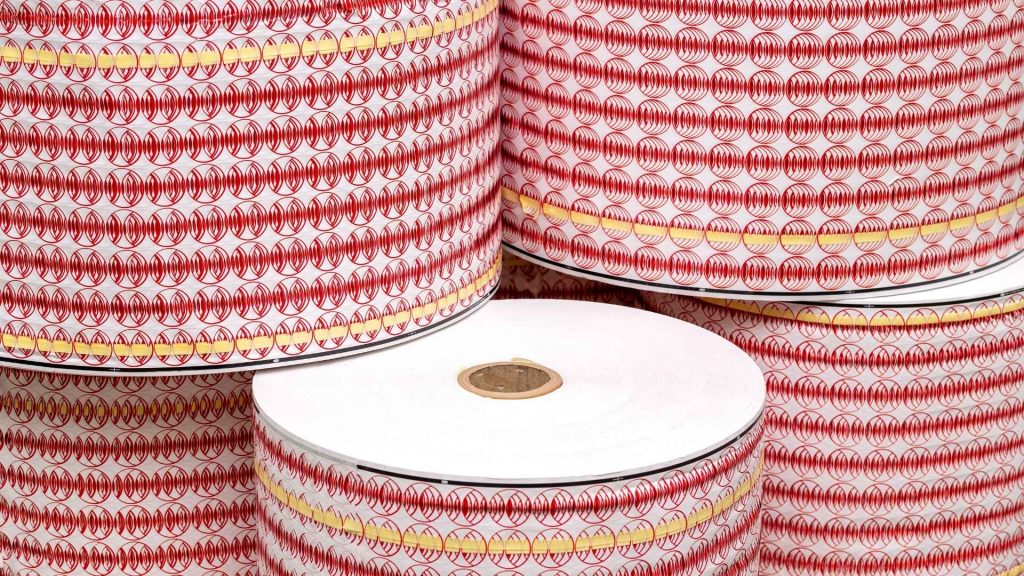
אם אתה מחפש לנהל עסק מדבקות לטווח ארוך, Shift4Shop יכול לעזור. לפני שתתחיל, תרצה ליצור אסטרטגיית תמחור יעילה. בדוק את מחירי מדבקות המתחרים כדי לקבוע מה שלך צריך להיות. כמו כן, תן דעתך לעלויות הייצור, האריזה והמשלוח. אתה בטח תרצה למכור את המדבקות שלך בסטים כדי להגדיל את המכירות. משלוח הוא חיוני לעסקי eCommerce, כך לוודא המדבקות שלך הם ארוזים ותויגו כראוי.
לפני שאתה מתחיל עסק המדבקות שלך, לקבוע קהל היעד שלך. זו קבוצת האנשים שסביר להניח שיקנו את המוצרים שלכם. ללמוד את התחרות בנישה שלך ולזהות כל פערים או שווקים לא מנוצלים. אז אתה יכול להתאים את תוכנית ה
שיווק שלך כדי לספק לקהל היעד שלך. לדוגמה, אם אתם מוכרים מדבקות לילדים, התמקדו במדבקות לילדים או בתוויות ספנות סטנדרטיות עבור יצרנים. נישה מסוימת היא גם מקום נהדר למקד את המאמצים שלך.

12 שנות ניסיון


מאמרים



תהליכי עובודה
הגדרת מטרות עסקיות
להבין את הצרכים העסקיים של הלקוח, קהל היעד והמטרות הפיננסיות. לקבוע מטרות ברורות ומדידות לשיפור עסקי.
מחקר שוק ומילות מפתח
לערוך מחקר מעמיק לזיהוי הזדמנויות שוק ומילות מפתח עסקיות. להתמקד בתערובת של מונחים קצרי וארוכי טווח הרלוונטיים לעסק.
בנייה וקידום שותפויות
ליצור ולתחזק שותפויות עסקיות עם גופים רלוונטיים. לבצע פעולות לשיתוף פעולה והרחבת הרשת העסקית.
אופטימיזציה לשיעור ההמרה
לנתח את התנהגות הלקוחות ולבצע שיפורים בדפי הנחיתה ובממשקי המשתמש כדי לשפר את שיעורי ההמרה. לבצע בדיקות A/B לשיפור תוצאות.